10 November 2026
Buying a CAT N or CAT S Car in the UK
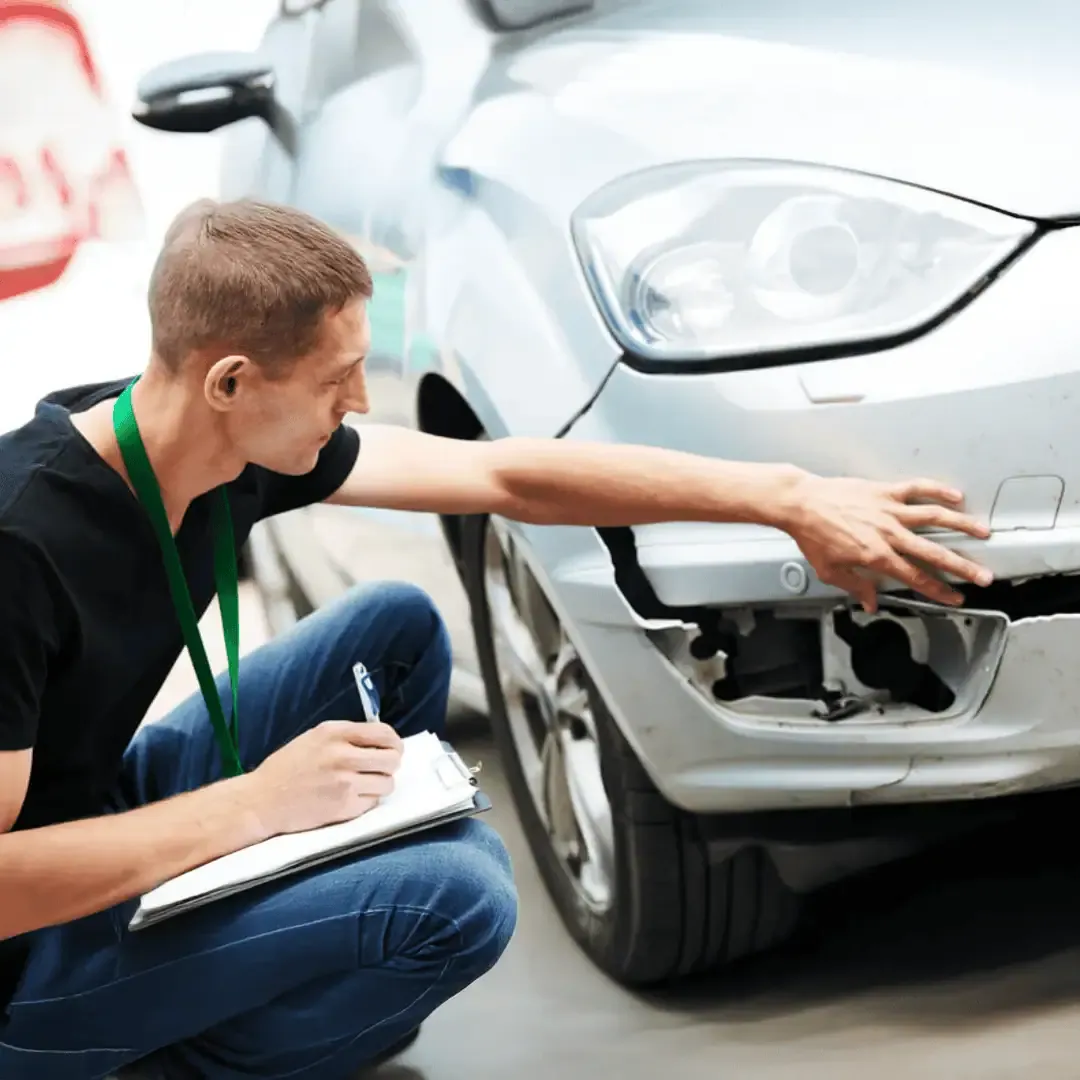
1. Understanding CAT N and CAT S When an insurer decides that repairing a damaged vehicle is uneconomical, it may declare it an insurance write-off. CAT N – Non-structural No recorded damage to the vehicle's structural frame or chassis. Damage may involve body panels, bumpers, lights or electrical systems. CAT N does not necessarily mean the damage was minor. CAT S – Structural The vehicle has suffered damage to its structural frame or chassis, such as load-bearing components or crumple zones. The quality of the structural repair is particularly important. Neither category automatically means a vehicle is unsafe. The original damage, repair quality and current roadworthiness matter most. 2. CAT N vs CAT S – key differences Feature CAT N CAT S Structural damage No Yes Cosmetic damage Possible Possible Mechanical/electrical damage Possible Possible Can return to road? Yes, if roadworthy Yes, if roadworthy Repair risk Generally lower Generally higher Resale value Reduced Usually more reduced V5C record Category not normally shown Category recorded 3. Advantages of buying a write-off • Lower purchase price than an equivalent vehicle with a clean history. • Potential access to a higher specification or newer model within the same budget. • Good value may be possible if the damage is understood and repairs are professionally completed. • More choice of models, mileages and specifications. 4. Risks to consider • Reduced resale value: the write-off history remains and should be disclosed when selling. • Insurance: some insurers may refuse cover or apply different terms. Get a quote using the registration before buying. • Hidden damage: suspension, steering, wiring, airbags, cooling systems and water ingress may be affected. • Poor repairs: a car can look good while having unsafe or unreliable repairs. • Finance and warranties: some providers may exclude previously written-off vehicles. 5. What to check before buying Vehicle history • Confirm the category and date of the write-off. • Check outstanding finance, stolen status, mileage and MOT history. • Verify the VIN, registration and outstanding manufacturer recalls. Original accident damage Ask for photographs taken immediately after the accident and, if available, the insurer's engineer or salvage report. Establish where the impact occurred, whether airbags deployed, and whether the engine, suspension, chassis or battery was affected. Repair quality and bodywork • Look for uneven panel gaps, mismatched paint, overspray and poorly fitted lights or bumpers. • Check for signs of welding, corrosion or poorly repaired areas underneath. • Look for water leaks and signs of damage inside the boot and cabin. • A paint-depth gauge can help identify panels that have been repainted or filled. Safety and mechanical checks • Check airbags, seatbelt pretensioners, ABS, stability control and warning lights. • Check engine, gearbox, brakes, steering, suspension, tyres and cooling system. • Request a diagnostic scan and wheel-alignment/geometry report where relevant. • For CAT S, arrange an independent inspection by a qualified accident-repair or vehicle-engineering specialist. 6. How much cheaper should it be? As a starting point for negotiation, the original guide suggested these indicative discounts—not official valuations or guaranteed market discounts: Category Indicative discount CAT N 15–25% CAT S 25–40% For a comparable clean-history car worth £15,000, an illustrative CAT N price at 20% below would be £12,000; an illustrative CAT S price at 30% below would be £10,500. Compare several similar cars and include inspection, repair, insurance and future resale costs. 7. Auctions or already-repaired cars? Salvage auction Auction vehicles may be unrepaired, non-running or supplied with incomplete damage information. Allow for buyer fees, VAT where applicable, transport, storage, parts and repairs. Do not assume a CAT N vehicle is ready to drive. Already-repaired vehicle For most everyday buyers, an already-repaired vehicle is the more practical option: you can inspect the finished car, request invoices and arrange an independent inspection. 8. Electric and hybrid vehicles Electric and hybrid write-offs need specialist attention. Damage to a high-voltage battery, casing, cables or isolation system can be expensive and may not be visible externally. • Request a specialist high-voltage battery inspection and diagnostic report. • Check battery casing condition and high-voltage isolation faults. • Confirm that manufacturer-required repair and safety procedures were followed. • Check ADAS and sensor calibration where applicable. 9. UK legal and paperwork points A repaired CAT N or CAT S vehicle can return to the road once it is roadworthy and meets the applicable registration, MOT, tax and insurance requirements. There is no general requirement for every repaired CAT N or CAT S vehicle to pass a special statutory write-off inspection. • CAT N is not normally displayed on the V5C; CAT S is recorded on the V5C. • A valid MOT is not proof that accident repairs were correctly carried out. • Disclose the write-off history accurately to insurers and future buyers. 10. Pre-purchase checklist ☐ Obtain registration and VIN ☐ Complete an independent vehicle history check ☐ Confirm the write-off category ☐ Check finance, stolen status, mileage and MOT history ☐ Review original accident photographs and engineer's report ☐ Check repair invoices and parts receipts ☐ Inspect bodywork, paint, chassis and underside ☐ Check airbags and safety systems ☐ Obtain a diagnostic scan ☐ Check suspension, steering and wheel alignment ☐ Arrange an independent professional inspection ☐ Obtain an insurance quote ☐ Compare against equivalent clean-history vehicles ☐ Calculate total costs, including repairs and fees ☐ Verify V5C and vehicle identity details 11. Final verdict CAT N – my preferred starting point Consider CAT N if the original damage is understood, the repairs are documented and an independent inspection is satisfactory. CAT S – only with convincing repair evidence Consider CAT S only where there is clear evidence of professional structural repairs, correct alignment and a satisfactory independent inspection. Undocumented vehicles – walk away If the seller cannot explain the original damage or demonstrate the quality of the repairs, the potential saving may not justify the risk.
Useful UK resources • GOV.UK – Check a used vehicle: https://www.gov.uk/check-vehicle-tax • GOV.UK – Check MOT history: https://www.gov.uk/check-mot-history • GOV.UK – Check vehicle recalls: https://www.gov.uk/check-vehicle-recalls-affected-by-a-safety-recall • ABI – Association of British Insurers: https://www.abi.org.uk/